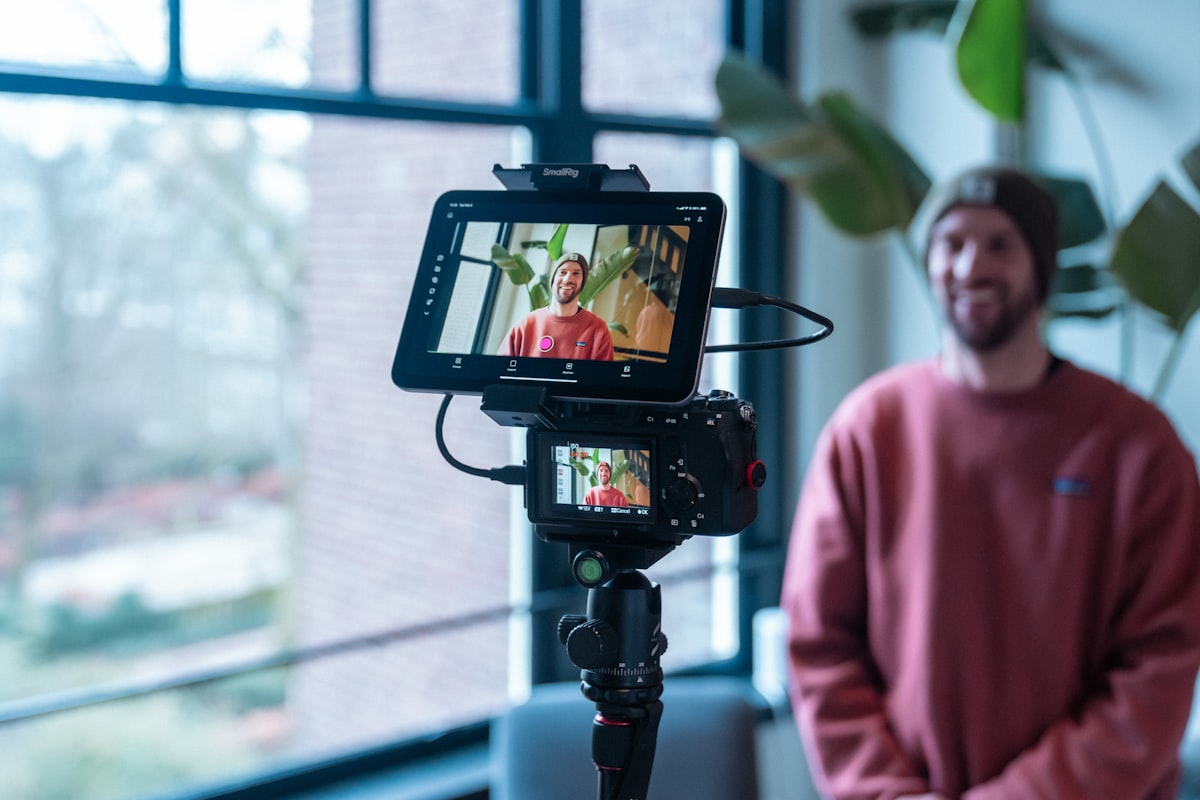
82% of all online content is now video. 90% of consumers watch short-form videos on their phones every single day. And yet, the vast majority of videos posted online never break past a few hundred views.
So what separates a video that gets 200 views from one that gets 2 million?
It's not luck. It's not budget. And in 2026, it's definitely not about having a massive following. The viral playbook has been completely rewritten — by AI-powered algorithms, shifting audience psychology, and platform updates that reward substance over polish.
This guide breaks down exactly what makes videos go viral right now, with platform-specific strategies, real data, and a step-by-step framework you can start using today. Whether you're a solo creator, a marketing team, or a brand exploring AI-powered video creation for social media, this is your 2026 blueprint.
Author: Deeka Content Team | Last updated: March 2026
What Actually Makes a Video Go Viral in 2026?
Let's kill the biggest myth first: virality is not random. Research consistently shows that viral videos share specific psychological and structural traits. Here's what the data says.
The Psychology of Sharing
People don't share videos because they're well-produced. They share videos that make them feel something — and that make them look good for sharing it.
The top emotional triggers behind viral content in 2026:
| Emotional Trigger | Why It Drives Shares | Example |
|---|---|---|
| Awe / Surprise | Creates a "you have to see this" impulse | Unexpected talent reveals, mind-bending edits |
| Humor | Makes the sharer look fun and relatable | Situational comedy, self-deprecating takes |
| Identity / Belonging | "This is SO me" — validates the viewer's identity | Niche community references, inside jokes |
| Inspiration | Aspirational sharing — "I want to be like this" | Transformation stories, underdog wins |
| Controlled Controversy | Sparks debate without crossing lines | Hot takes on industry norms, myth-busting |
The key insight? In 2026, people don't share content that looks impressive — they share content that understands them. Niche resonance beats broad appeal every time.
The Algorithm Factors That Actually Matter
Every major platform now uses some form of AI-driven recommendation. But the specific signals they prioritize have shifted dramatically. Here are the metrics that determine whether your video gets pushed to millions — or buried.
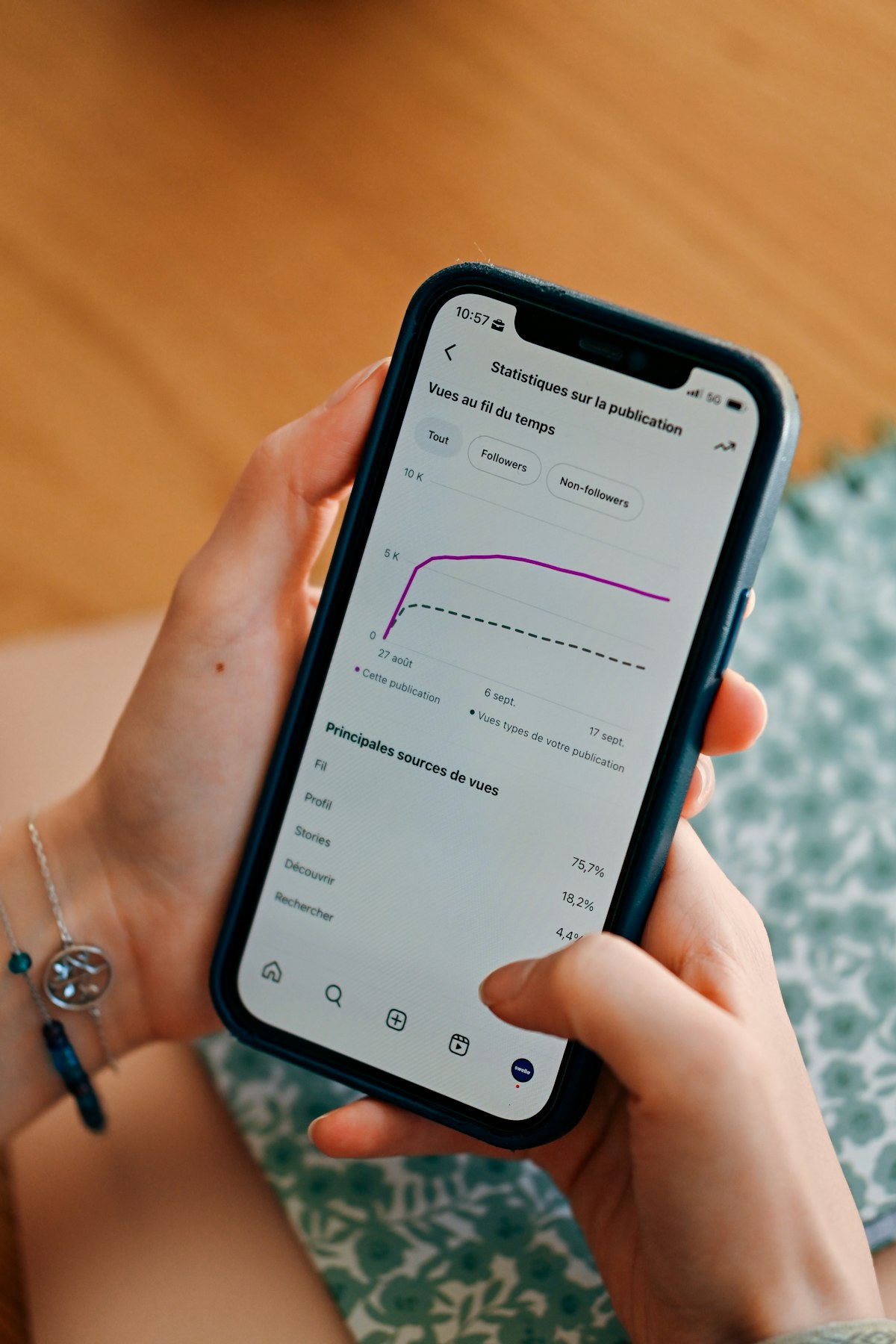
Completion Rate is the single most important metric across all platforms. TikTok now requires 70%+ completion rate for viral distribution — up from 50% in 2024. Videos that loop (100%+ average watch time) get massive algorithmic boosts.
The 3-Second Hook Rule: You must capture attention within the first 3 seconds. Data shows that 70%+ retention in the first 30 seconds is the target. Lose viewers in the opening, and no algorithm can save you.
Shares > Likes: Algorithms in 2026 weight shares and saves far more heavily than simple likes. A video with 500 shares will outperform one with 50,000 likes in reach distribution.
The Viral Window Has Compressed: First-hour engagement determines 80% of a video's viral potential. The window to catch momentum is now just 24-36 hours — down from several days in previous years.
The 2026 Algorithm Landscape: What Changed
Three seismic algorithm shifts happened in the past six months. If you're still using 2024 strategies, you're playing the wrong game.
YouTube's Gemini AI Integration (January 2026)
This is the most significant algorithm change since YouTube shifted from view counts to watch time in 2012. YouTube's recommendation system is now powered by Gemini, which watches videos frame by frame, reads on-screen text, and understands pacing, tone, emotion, and intent at a semantic level.
What this means for creators:
- Metadata matters less — Gemini understands your actual content, not just your title and tags
- "Good abandonment" is now positive — if a viewer leaves a tutorial early because they got the answer, that's a good signal
- Channel consistency is rewarded — Gemini builds semantic profiles for entire channels and boosts creators who consistently deliver on their promises
- Small creators benefit — content quality now outweighs channel size in recommendation decisions
Instagram's "Your Algorithm" Feature (December 2025)
Users can now explicitly tell Instagram what topics they want to see more or less of in Reels. This shifts power from creators to viewers and means your content must genuinely deliver value — you can't game your way into feeds anymore.
Instagram also rolled out AI-powered translations in late 2025, automatically translating text and audio into multiple languages. This dramatically expands the global reach potential of every Reel you post.
TikTok's Algorithm Restructure (September 2025)
The transfer of TikTok's U.S. algorithm control to Oracle fundamentally reshaped content recommendation. Combined with a raised completion rate threshold (now 70%) and active down-ranking of reposts, TikTok in 2026 rewards authentic, original content more than ever.
Key change: videos now test with followers first before reaching non-followers. Your existing community's engagement is the launchpad for broader virality.
Platform-Specific Viral Strategies
Not all platforms are created equal. Here's exactly what works on each one in 2026.
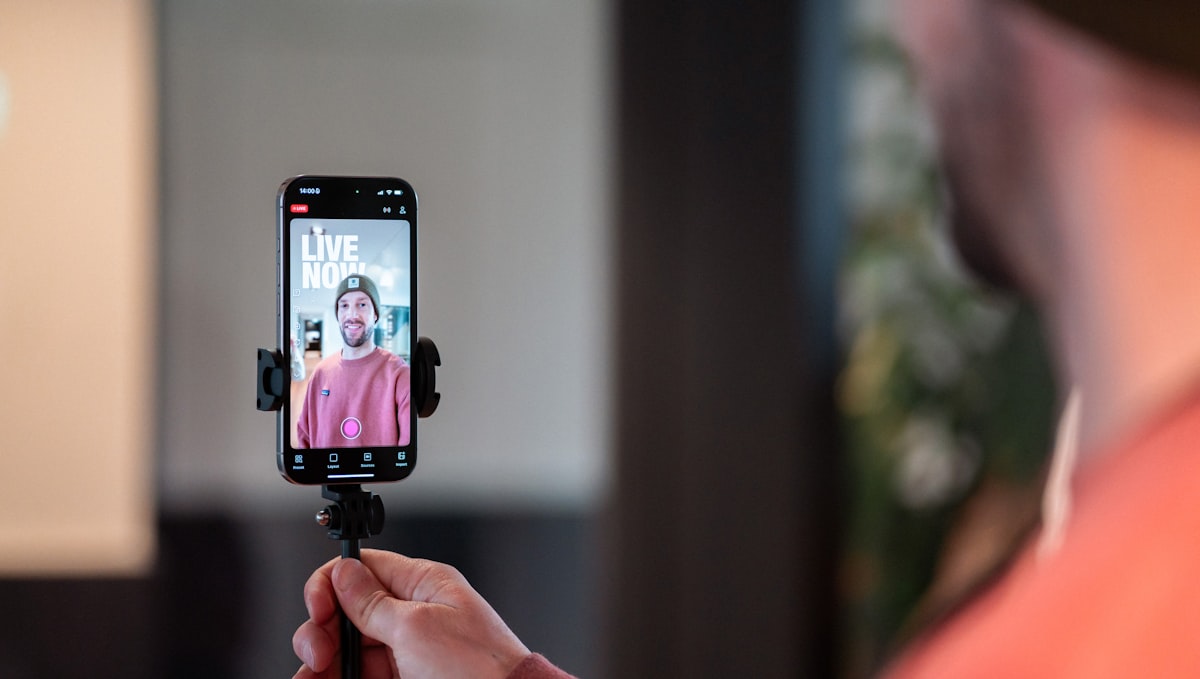
TikTok: The Authenticity Engine
Viral benchmark: 1M+ views within 72 hours; 3–5M within a week
| Factor | What Works | What Doesn't |
|---|---|---|
| Length | 15–30s for quick hits; 1–3 min for storytelling | Under 5s (too short to engage) or 3+ min (drop-off risk) |
| Style | Raw, behind-the-scenes, conversational | Over-produced, corporate, polished ads |
| Posting | 3–5 times per week | Daily without quality control |
| Content | Original, niche community-focused | Reposts, watermarked cross-platform content |
Pro tip: TikTok's algorithm now tests videos with your followers first. If your existing audience doesn't engage, the video dies before reaching anyone new. Build a loyal, niche community — they're your launchpad.
If you're looking for formats that consistently perform, check out these proven viral video templates for TikTok, Reels & Shorts.
YouTube Shorts: The Search-First Platform
Viral benchmark: 1M+ views
YouTube Shorts has a massive structural advantage: search engine DNA. Unlike TikTok's ephemeral reach, Shorts can be discovered through search months or years after posting. This makes it the best platform for evergreen viral content.
What Gemini AI rewards in 2026:
- Clarity over production value — Does the video deliver what the title promises?
- Semantic relevance — Gemini understands your actual content, so keyword stuffing in titles is pointless
- Consistent channel identity — Channels with a clear, consistent topic get preferential distribution
- Optimal length: 15–35 seconds
YouTube CTR benchmarks: Below 4% is poor, 7%+ is good, 9–10%+ is exceptional. Custom thumbnails with faces increase CTR by 20-30%.
Instagram Reels: The Trend Accelerator
Viral benchmark: 500K views + 50K+ shares
Instagram confirmed its Reels ranking signals (Adam Mosseri, January 2025): watch time first, then shares, then likes.
| Strategy | Details |
|---|---|
| Length sweet spot | 7–30s for max completion; 30–90s for depth |
| Content style | Aesthetic + emotion + relatability |
| Originality | Visual fingerprinting penalizes 70%+ reused content; aggregators saw 60-80% reach drops |
| Global reach | AI translations auto-expand your audience to new languages |
Key differentiator: Reels offer the highest immediate virality potential for trend-based content. Even accounts with small followings can hit 100K views overnight by riding trends early.
Cross-Platform Strategy: Adapt, Don't Copy
Every long-form video should become multiple short-form clips. But never post identical content everywhere. Each platform requires adjustments:
- Aspect ratio and safe zones differ across platforms
- Caption styles that work on TikTok feel out of place on Reels
- Pacing expectations vary — TikTok audiences accept faster cuts than YouTube viewers
- Audio trends are platform-specific — use native trending sounds
The 7-Step Viral Video Framework
Here's the actionable system. Follow these steps for every video you create.
Step 1: Choose a Niche Emotion, Not a Broad Topic
Don't make "a cooking video." Make "a video that makes busy parents feel seen about dinner chaos." Emotional specificity is the foundation of shareability.
Step 2: Nail the 3-Second Hook
Your opening must answer one question: "Why should I keep watching?"
Proven hook formulas:
- The Contrarian: "Everything you've been told about [X] is wrong"
- The Outcome: "I went from 0 to 100K followers in 90 days — here's exactly how"
- The Curiosity Gap: "There's one trick that [experts] don't want you to know"
- The Demonstration: Start with the most visually compelling moment
Step 3: Structure for Completion
Remember: 70%+ completion rate is the threshold. Structure your video to hold attention throughout:
- Hook (0-3s): Grab attention
- Context (3-10s): Set up the value promise
- Payoff (middle): Deliver the core content
- Loop/CTA (end): Create a reason to rewatch or share
Step 4: Optimize for Shares, Not Just Views
Ask yourself: "Would someone screenshot this or send it to a friend?" If not, rework it. Add elements that make sharing irresistible:
- Controversial but defensible takes
- "Tag someone who..." moments
- Actionable tips people want to save
- Relatable situations that trigger "this is SO me"
Step 5: Use AI to Scale Production
Tools like Deeka can dramatically accelerate your video production workflow — from AI-powered scripting and ideation to automated editing and caption generation. 97% of marketing leaders now say marketers must know how to use AI tools for content creation. The competitive advantage isn't optional anymore.
Understanding how AI video generation works can help you identify which parts of your workflow to automate and which to keep human.
Step 6: Post with Platform-Aware Timing
- Frequency: 3–5 times per week maintains algorithm favor
- Consistency: Same posting schedule, same content niche
- First hour: Engage with every comment in the first 60 minutes — this is where 80% of viral potential is determined
- Cross-promote: Share across communities, forums, and other platforms (with native adjustments)
Step 7: Analyze, Iterate, Repeat
Track these metrics for every video:
| Metric | Target | What It Tells You |
|---|---|---|
| Completion Rate | 70%+ | Is the content holding attention? |
| Share Rate | 1-2% of views | Is the content share-worthy? |
| Follower Conversion | ~1K per 100K views | Is the content building your audience? |
| Save Rate | Higher = better | Is the content providing lasting value? |
Double down on formats that hit these benchmarks. Kill formats that consistently underperform.
10 Mistakes That Kill Your Viral Potential
Avoid these at all costs:
- Over-producing content — behind-the-scenes and raw content gets 31% higher engagement than polished, production-heavy videos
- Prioritizing aesthetics over story — a well-crafted narrative beats cinematic quality every time
- Chasing follower count instead of engagement — a million followers mean nothing if five people engage
- Posting inconsistently — confuses both your audience and the algorithm
- Writing scripts for reading, not for camera — viral scripts are designed for short attention spans and sharing behavior
- Reposting watermarked content — all major platforms now actively penalize this
- Ignoring platform-specific optimization — the same video doesn't work identically across TikTok, Reels, and Shorts
- Not engaging with comments — treating content as one-directional broadcast kills community building
- Chasing broad virality over niche resonance — content that deeply resonates with a specific community outperforms generic content aimed at everyone
- Relying on a single platform — cross-platform distribution is essential for sustained reach

Viral Video Benchmarks by Platform (2026)
FAQ: Viral Videos in 2026
How many views makes a video "viral" in 2026?
It depends on the platform. On TikTok, 1 million+ views within 72 hours is the benchmark. On Instagram Reels, 500K views combined with 50K+ shares signals virality. On YouTube, crossing 1 million views is generally considered viral. However, "viral" is relative — a B2B niche video hitting 50K views could be far more impactful than a generic clip hitting 5 million.
Does video quality matter for going viral?
Less than you think. Behind-the-scenes and authentically "raw" content sees 31% higher engagement than heavily produced videos. What matters far more is emotional resonance, storytelling, and completion rate. That said, basic standards — clear audio, stable framing, readable text — are non-negotiable.
Can you still go viral with a small following?
Absolutely. In fact, YouTube's January 2026 Gemini AI update specifically benefits small creators by prioritizing content quality over channel size. On TikTok and Reels, accounts with under 1,000 followers regularly hit 100K+ views by creating niche-specific content that resonates deeply with a target community.
How often should I post to maximize viral potential?
3–5 times per week is the sweet spot across all platforms. This maintains algorithmic favor without sacrificing quality. Sporadic posting confuses the algorithm, but daily posting without quality control is equally damaging.
What's the ideal video length for going viral?
For TikTok: 15–30 seconds for quick hits, 1–3 minutes for storytelling. For YouTube Shorts: 15–35 seconds. For Instagram Reels: 7–30 seconds for maximum completion rates, 30–90 seconds for depth. Going past 90 seconds on Reels is risky.
Should I use the same video on every platform?
No. Cross-posting identical content is one of the biggest mistakes creators make. Each platform has different algorithms, optimal lengths, audio trends, and audience expectations. Adapt every piece of content to the platform you're posting on.
Your Viral Video Action Checklist
Use this checklist before publishing every video:
- Does the first 3 seconds contain an irresistible hook?
- Is the content structured for 70%+ completion rate?
- Would someone share this with a specific friend? Why?
- Is the content authentic and original (not a repost)?
- Have you optimized length for the target platform?
- Is your posting schedule consistent (3-5x per week)?
- Are you ready to engage with comments in the first hour?
- Have you adapted the content for each platform?
The creators who will win in 2026 aren't the ones with the biggest budgets or the most followers. They're the ones who understand that virality is a system — built on emotional resonance, algorithmic fluency, and relentless consistency.
Start with one platform. Master the framework. Scale with tools like Deeka AI to accelerate production without losing authenticity. The viral video landscape has never been more accessible — if you know the rules.
Suggested next update: September 2026. Review for: platform algorithm changes, new viral benchmarks, emerging short-form platforms, updated completion rate thresholds.
Items to monitor: YouTube Gemini AI refinements, TikTok Oracle algorithm evolution, Instagram "Your Algorithm" global rollout impact, new AI video creation tools.
Related Articles: